
7 Steps to Restore Peace of Mind After a Home Inspection
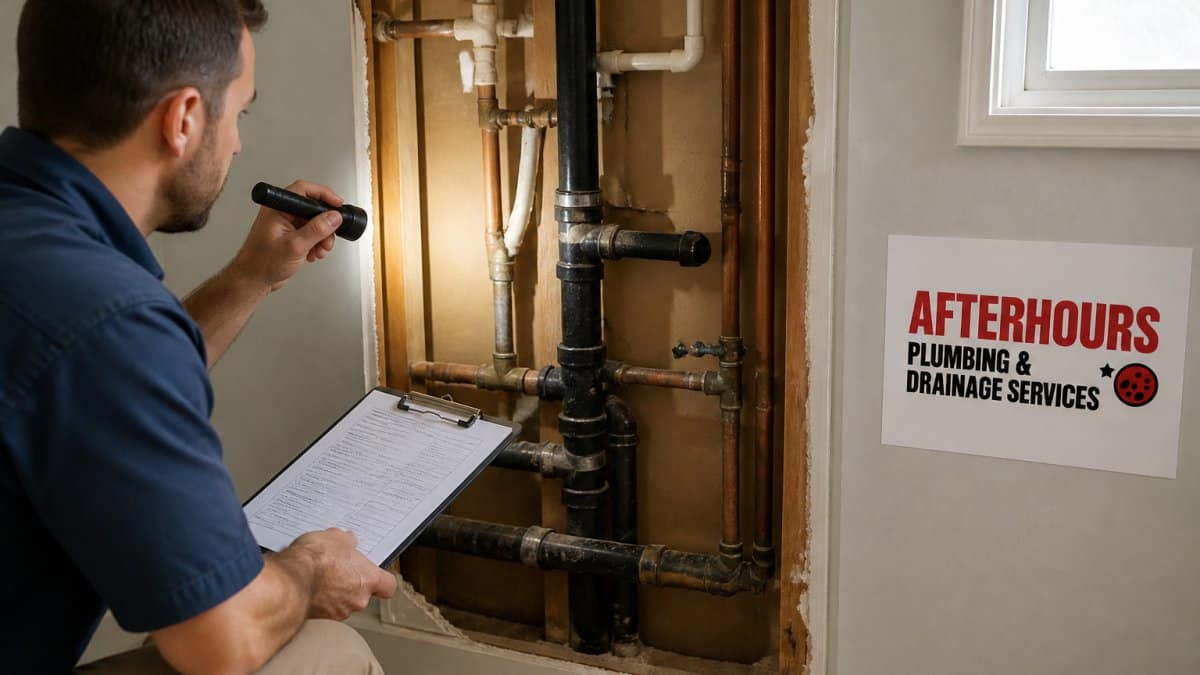
Quick Summary
A home inspection restores peace of mind by replacing guesswork with facts about the property’s condition, including its plumbing, water heater, drains, and visible leaks. Knowing exactly what needs attention and what doesn’t lets you plan instead of panic. Focus first on findings that can cause water damage or safety risks.
- Learn the real condition of the home, not just the listing description
- Spot small problems before they become costly repairs
- Watch for active or past leaks under sinks, around toilets, and near the water heater
- Ask the inspector what they check and what they don’t before the visit
- Sort report findings into urgent repairs and routine maintenance
Table of Contents
- Why a Home Inspection Restores Peace of Mind
- Home Inspection Red Flags to Look For in the Report
- Questions to Ask a Home Inspector and What to Do After a Home Inspection
- Frequently Asked Questions
Why a Home Inspection Restores Peace of Mind
Buying or owning a home comes with a lot of unknowns. A home inspection replaces guesswork with facts about the property’s condition, including its plumbing, water heater, drains, and visible leaks. Many homeowners feel calmer once they know exactly what needs attention and what doesn’t.
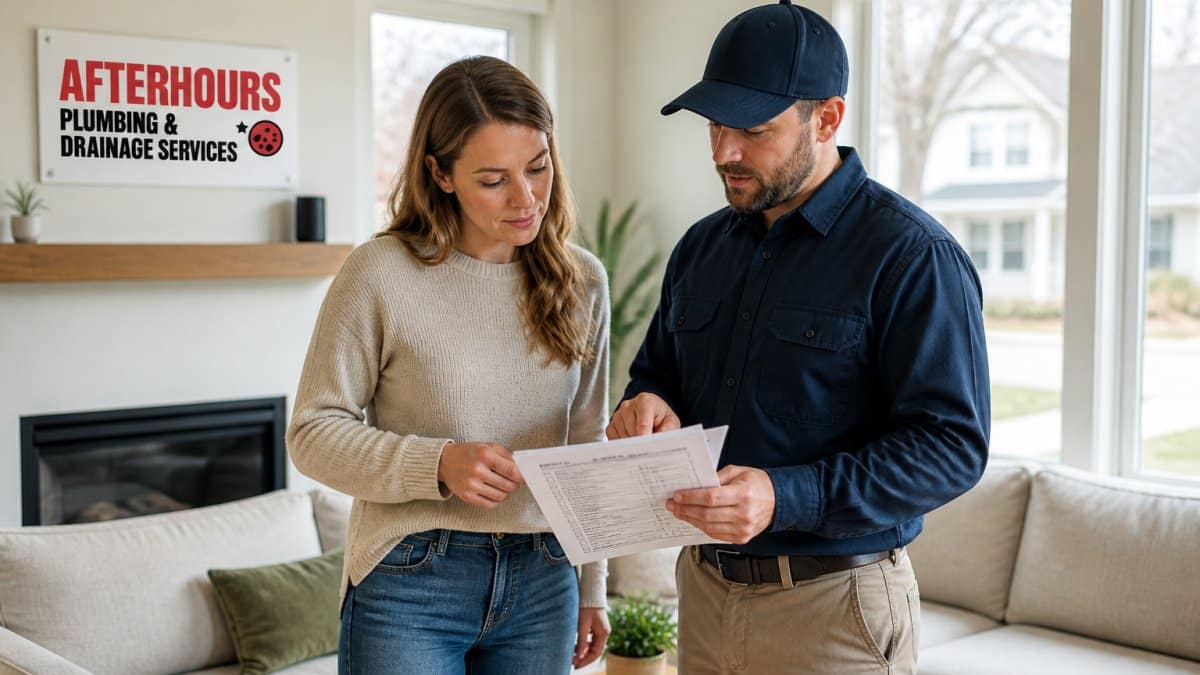
Peace of mind comes from knowing your plumbing is sound. An inspection gives you a clear picture, so you can plan instead of panic.
- You learn the real condition of the home, not just the listing description
- You spot small problems before they become costly repairs
- You gain clarity when deciding what to do next
Home Inspection Red Flags to Look For in the Report
Not every finding is urgent. Focus first on the items that can cause water damage or safety risks.
- Active or past leaks under sinks, around toilets, or near the water heater
- Corroded or aging water heater with rust, moisture, or a leaking tank
- Slow drains or sewer concerns that suggest a blockage or line damage
- Low water pressure that may point to hidden pipe problems
If a finding involves active moisture, a suspected hidden leak, or a damaged line, our Leak Detection & Repair Denver team can help pinpoint the source. Moisture problems tend to grow over time, so it pays to ask us to review anything that involves water. If a pipe has already failed, see what to do when a pipe bursts, in six steps.
Questions to Ask a Home Inspector and What to Do After a Home Inspection
Before the inspection, ask the inspector what they check and what they don’t. During the walkthrough, ask them to show you problem areas. After the report arrives, sort findings into urgent repairs and routine maintenance.
If the report flags plumbing concerns, contact a licensed plumber for an evaluation. Concerns about backflow prevention for your water supply should also be reviewed by a professional. For plumbing concerns that need prompt attention, you can learn about our Emergency Plumbing Services Denver options. Call 720-687-0052 or visit our website to request an estimate.
After the report arrives, it helps to sort findings into urgent repairs and routine maintenance. Here is how the main steps fit together.
| Step | What to do | Timing |
|---|---|---|
| Before the inspection | Ask what the inspector checks and what they don’t | Before the visit |
| During the walkthrough | Ask the inspector to show you problem areas | During the inspection |
| After the report | Sort findings into urgent repairs and routine maintenance | When the report arrives |
| Plumbing concerns | Contact a licensed plumber for an evaluation | As needed |
| Prompt plumbing needs | Learn about our Emergency Plumbing Services Denver options | As needed |
Frequently Asked Questions
What is the biggest red flag in a home inspection?
Signs of active water intrusion, foundation movement, and plumbing or sewer problems are among the most serious findings. Look for water stains around fixtures, slow drains, and signs of past leaks. Anything involving the main water line or sewer should be evaluated by a licensed plumber before you commit to the purchase.
What should you do after receiving a home inspection report?
Read the full report, then sort findings into urgent safety issues, repairs that need a professional, and routine maintenance. Ask the inspector to clarify anything unclear, and get written estimates for major items. Use the results to decide whether to request repairs, a credit, or a price change from the seller.
