
Aurora Rental Property Emergency Plumbing: A Landlord Guide
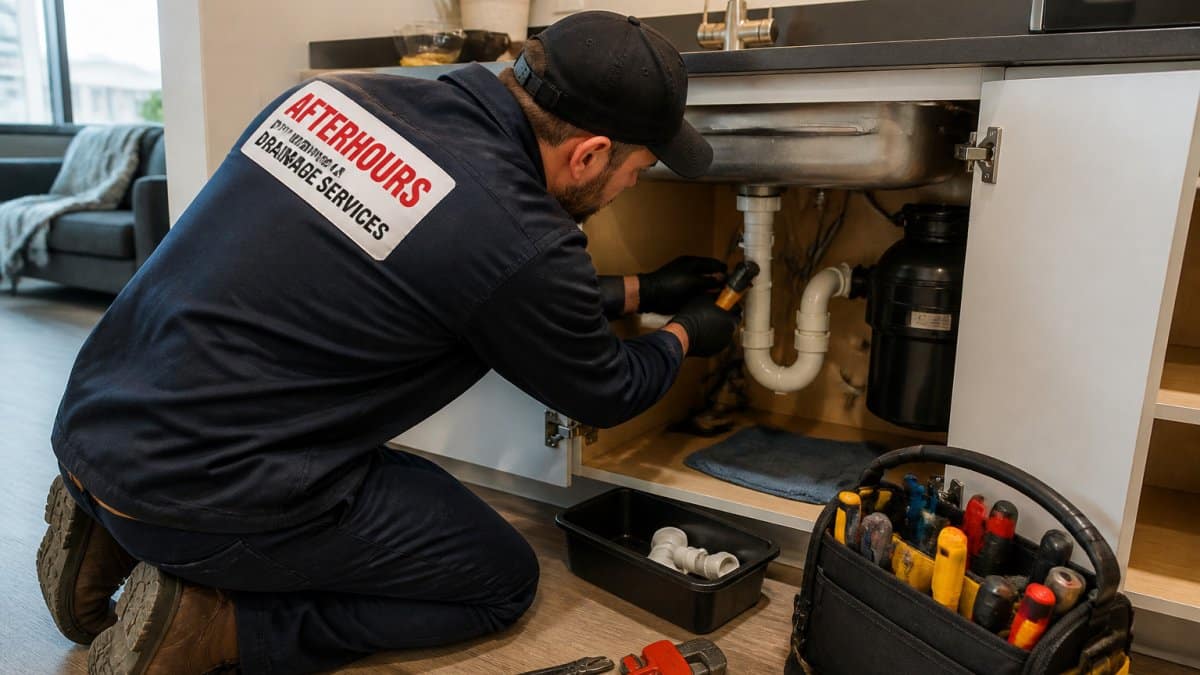
Last Updated: October 28, 2026
Quick Summary
A rental property emergency plumbing plan answers four questions before a problem happens: who the tenant calls first, where the main water shutoff is, who approves emergency spending and up to what amount, and how the incident gets documented. Tenants should stop the water at the source, protect belongings, and report the problem. Landlords should label the main shutoff, post an after-hours number, and keep photos, invoices, and a written timeline for every incident.
- Locate, label, and photograph the main water shutoff, and keep a copy in the lease packet.
- Set a written dollar limit for emergency repairs so work is not delayed while water spreads.
- Photograph and video damage before cleanup, and keep a written timeline of the incident.
- Treat medium and high severity sewer backups as same-day or immediate calls to a plumber.
- Ask the plumber for a written diagnosis and itemized invoice to keep in the property file.
Table of Contents
- Why Rental Property Plumbing Emergencies Need a Plan
- Tenant Plumbing Emergency Instructions: The First 10 Minutes
- Landlord Emergency Plumbing Checklist for Aurora Rentals
- Rental Property Sewer Backup: Triage and Response
- Who Pays for Emergency Plumbing Repairs in a Rental
- Winter Pipe Protection for Rental Properties in Colorado
- Scheduling Your Rental’s Emergency Plumber With After Hours Plumbing
- Frequently Asked Questions
Why Rental Property Plumbing Emergencies Need a Plan
A burst supply line or backed-up sewer can cause water damage in a rental, which is why a clear rental property emergency plumbing plan matters so much. That is why a written plan matters more than a good plumber’s phone number alone.
Rental emergencies are harder than homeowner emergencies because the person who discovers the problem usually does not own the property, and the person who pays for the repair may not be on site. If you need someone right now, you can book an emergency plumber in Denver straight away.
A workable plan answers four questions before the emergency happens:
- Who does the tenant call first, and what number do they dial after hours?
- Where is the main water shutoff, and does the tenant know how to use it?
- Who authorizes emergency repair spending, and up to what amount?
Common rental property emergency plumbing situations include burst or frozen supply lines, toilet overflows, water heater failures, and sewer backups.
Tenant Plumbing Emergency Instructions: The First 10 Minutes
When a tenant discovers a plumbing emergency, prompt action can help limit damage to the unit.
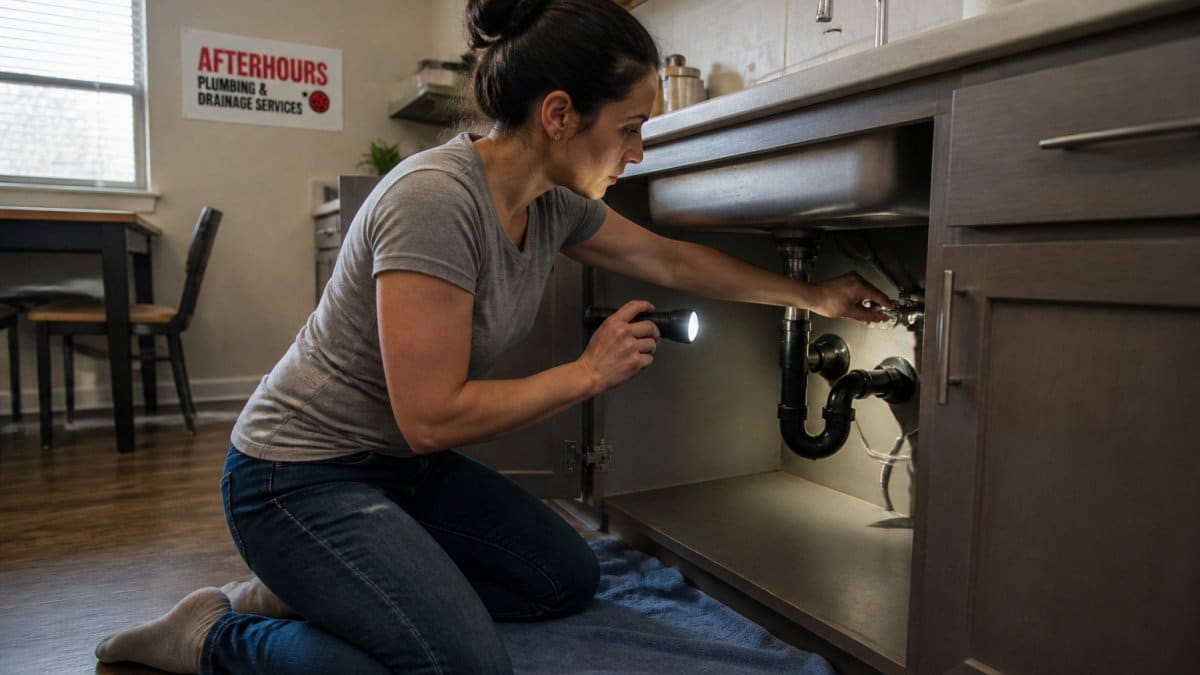
Follow these steps in order:
- Stop the water at the source. Turn off the fixture’s individual shutoff valve if one exists, usually under a sink or behind a toilet. If water keeps flowing, close the main shutoff, which in most Aurora homes and apartments sits near where the water line enters the building, often in a utility closet or basement.
- Shut off power if water is near outlets or appliances. If water reaches electrical outlets, a breaker panel, or a water heater with electric elements, turn off the affected circuit or the heater’s breaker. Do not step into standing water to reach electrical equipment.
- Move belongings and place towels or buckets. Lift items off the floor and place towels or buckets to limit spread. Photograph the damage before you clean up.
- Call the landlord or property manager. Report the location, the type of leak, and whether the water is stopped. Keep a written record of the call time.
- Call the emergency plumber if the landlord has authorized it. Many leases name a specific after-hours number. Tell the dispatcher whether the water is still running.
Tenants should not attempt to repair pipes, cut into walls, or use chemical drain cleaners on a clog that may be sewer-related.
Common mistake: A tenant shuts off only the fixture valve, assumes the problem is solved, and goes to bed.
Written instructions are worth giving to every tenant at move-in.
Landlord Emergency Plumbing Checklist for Aurora Rentals
Preparing before an emergency can help landlords organize their response. The checklist below centers on two practical considerations during a rental emergency: stopping the water and keeping records. Update it whenever a fixture, vendor, or tenant changes.
Before an emergency: setup that actually works
- Main shutoff located, labeled, and photographed. Find where the water service enters the building, commonly a utility closet, basement, crawl space, or mechanical room, photograph and label the valve, and put a copy in the lease packet and property file.
- Main valve exercised once a year. Ask your plumber to confirm the main and the fixture valves actually close, not just that they exist.
- Individual fixture shutoffs identified. Angle stops under sinks and behind toilets can be used to shut off water to individual fixtures; note any fixture that lacks one.
Documentation and insurance readiness
When a claim or deposit dispute happens, a property file can help keep relevant records together. Keep these items together for every incident:
- Photos and video before cleanup. Wide shots of the room, close-ups of the source, and a shot showing the date or a reference object. Tenants should shoot before they mop.
- A written timeline. When the problem was discovered, when the landlord was notified, when the plumber was called, and when water was shut off. A simple text thread or email chain works if it is preserved.
- The plumber’s written diagnosis. Ask the technician to state what failed and why, age, freeze, root intrusion, tenant-caused clog.
- Itemized invoices listing labor, parts, and any follow-up recommended.
- Receipts for mitigation, fans, dehumidifier rental, cleanup supplies, temporary lodging if the unit was uninhabitable.
- A damage note describing affected materials (drywall, flooring, cabinetry) so a later mold or structural claim has a baseline.
Store the property file in the cloud, not only on site. A flooded unit is exactly when a paper folder in a kitchen drawer becomes unreadable.
The emergency spending limit, explained
Without a written limit, a tenant or property manager may wait for owner approval while water damage grows and a plumber stands by unable to start.
Keep the property file current. When a plumber replaces a fixture or repairs a line, record the date, the work, and the invoice.
The checklist below groups the essentials a landlord should set up before an emergency and the records to keep afterward.
| Item | What to do | Why it matters |
|---|---|---|
| Main shutoff | Locate, label, and photograph it | Lets anyone stop the water fast |
| Main valve check | Exercise once a year | Confirms it actually closes |
| Fixture shutoffs | Identify under sinks and behind toilets | Isolates a single leak |
| Water heater | Note the shutoff and breaker | Stops heater damage quickly |
| After-hours number | Post in the unit and write into the lease | Gives tenants a clear first call |
| Spending limit | Set a written dollar figure | Avoids waiting while water spreads |
| Photos before cleanup | Shoot wide, close, and dated images | Supports insurance and deposit claims |
| Written diagnosis | Ask the plumber to state cause | Documents what failed and why |
Rental Property Sewer Backup: Triage and Response
A sewer backup can carry wastewater into living spaces. Keep people out of affected areas and contact a plumber.
Triage by severity helps everyone decide what to do first:
- Low severity: One slow drain or a toilet that gurgles but is not overflowing. Stop using the affected fixtures and notify the landlord. Schedule service within the next business day unless other drains are also affected.
- Medium severity: Multiple drains backing up, or water rising slowly in a tub or floor drain. Stop all water use in the building, including laundry and dishwashers, and call a plumber the same day.
- High severity: Sewage coming up through floor drains, toilets overflowing, or wastewater reaching the lowest level of the building. Keep everyone out of the affected area, shut off water use, and call an emergency plumber immediately.
Do not wade through sewage to reach a shutoff. Do not run a drain snake or pour chemicals into a backed-up line.
Documentation matters here. Photograph and video the backup before cleanup, note when it began, and keep receipts for cleanup supplies or temporary lodging.
Watch out: Sewer backups often have more than one cause.
Who Pays for Emergency Plumbing Repairs in a Rental
Cost responsibility can depend on the lease and the circumstances of the problem. Review the lease and seek appropriate local guidance if responsibility is unclear.
Responsibility can depend on the circumstances and the lease. If there is a dispute, consult a local attorney or Colorado tenant resources.
To keep these decisions clear:
- Review the lease language on maintenance, repairs, and tenant-caused damage before an emergency.
- Record the cause in writing when a plumber diagnoses the problem. Ask the technician to describe what failed and why.
- Keep the invoice, the diagnosis, and photos together in the same file.
- Check your landlord insurance for water damage coverage, and tell your insurer promptly.
Clear records protect both sides. Keeping records of reports and repairs can help both sides document what happened.
Winter Pipe Protection for Rental Properties in Colorado
Cold weather can put plumbing in rental units at risk, including supply lines, outdoor spigots, and pipes in unheated spaces.
Landlords should focus on these steps:
- Insulate exposed pipes in crawl spaces, garages, basements, and exterior walls.
- Disconnect hoses and close interior shutoffs for outdoor spigots where the design allows. Some hose bibs need to be drained in cold weather, so ask a plumber which type you have.
- Keep heat on in vacant units. A vacant unit should be monitored during cold weather. If a property is vacant, maintain a minimum temperature and check it regularly.
- Seal drafts around pipe penetrations and foundation openings that let cold air reach plumbing.
Tenants should follow the property’s cold-weather instructions when they will be away.
Common mistake: Landlords can plan for freeze protection before cold weather arrives.
If a pipe freezes but has not burst, do not use an open flame to thaw it.
Scheduling Your Rental’s Emergency Plumber With After Hours Plumbing
An after-hours plumber can be part of an emergency plan. Knowing what to say, who can approve the work, and what affects the bill can help organize a call.
What to have ready before you dial
Having relevant details ready can help organize the first call. Have these ready:
- Property address and unit number, plus gate, lockbox, or building-access instructions.
- What is happening: active leak, no water, sewage backup, no hot water, or a fixture that will not stop running.
- Whether water is currently shut off, and where the shutoff is.
- Who is authorized to approve work, and the spending limit if one applies.
Who authorizes the repair
This question can be important when arranging rental repairs. Decide in advance:
- Owner authorizes directly. Cleanest for large jobs, but slow if the owner is unreachable overnight.
- Property manager authorizes up to a limit. Works well when the limit is written into the management agreement.
- Tenant authorizes emergency stabilization only. Appropriate when the lease allows it and the scope is narrowly defined (shutoff, leak isolation, temporary containment).
Whichever model you use, put it in writing and give the plumber the same information. Sharing the approval chain with the plumber can clarify who is authorized to approve work.
What affects after-hours cost
Pricing depends on the job. Ask about the estimate and any applicable charges before authorizing work:
- Time of day and day of week, nights, weekends, and holidays typically carry different rates than weekday business hours.
- Whether the call is a true emergency or can be scheduled for the next business day.
- Access difficulty, locked units, crawl spaces, slab access, or a shutoff that will not close.
- Scope, isolating a leak is different from repairing a burst line, replacing a water heater, or clearing a main sewer blockage.
Ask what the after-hours call includes and what is billed separately before work begins. Ask the plumber to explain the diagnosis, repair options, and expected cost before work begins.
Questions to ask before you choose a provider
- Do you serve this Aurora address after hours, and how do you prioritize multiple calls on the same night?
- Will you explain the cause and the repair options before work starts?
- Can you provide a written, itemized invoice for the property file?
- Can you coordinate directly with the tenant on access, or do you need the owner on the phone?
Working with our team
Our team at After Hours Plumbing & Drainage Services provides 24/7 emergency plumbing across the Denver area, including Aurora rentals, and our licensed and insured plumbers handle both residential and commercial properties. We are a locally operated, Black-owned business.
- Save our after-hours number in your phone and in each tenant’s emergency instructions. You can reach us through our contact page.
- If you manage several rentals, tell us up front so we can plan dispatch and keep you updated.
- Request an estimate for routine maintenance and planned work. Get an estimate and compare scope and timing before a crisis.
- For properties in Aurora, our Aurora plumbing services page explains the areas we serve.
When a plumber arrives, ask the technician to explain the cause, the repair options, and the expected cost before work begins.
A plan is only useful if people know it exists. Share this guide with your tenants, review it with your property manager, and update it when vendors, phone numbers, or property details change.
Frequently Asked Questions
What should a property manager do first during a plumbing emergency?
Confirm the tenant is safe, then have them shut off the water at the nearest valve or the main if they can do it safely. Next, contact an emergency plumber and document the situation with photos and a short written timeline. Notify the tenant of the plan and any expected disruption. Avoid attempting pressurized or gas-related repairs yourself, since those belong to licensed professionals.
When should a landlord call an emergency plumber for a rental property?
Call right away for active leaks, burst pipes, sewer backups, flooding, no water, or any problem that could damage the structure or create a health hazard. Slow drains or minor drips can usually wait for a scheduled visit. If you are unsure, contact a plumber to discuss the symptoms.
Who is responsible for emergency plumbing repairs in a rental property?
Responsibility can depend on the lease and the circumstances. Review the lease and seek appropriate local guidance if responsibility is unclear. Review your lease, keep records of who reported what and when, and document every repair so disputes can be resolved clearly.
What should tenants do if a rental property has a sewer backup?
Stop using water fixtures immediately, keep people and pets away from standing water, and report the backup to the landlord or property manager in writing as well as by phone. Avoid attempting to clear the sewer backup yourself. Take photos of affected areas and keep a record of the time it started and any damage to belongings.
Need help putting an emergency plan in place for your Aurora rental? Call After Hours Plumbing & Drainage Services at 720-687-0052 or visit https://afterhoursplumbingco.com to schedule service or request an estimate. Our team is available around the clock for plumbing emergencies.
