
How to Prevent Pipes From Bursting in Winter
Last Updated: November 19, 2026
Quick Summary
Knowing how to prevent pipes from bursting in winter starts with protecting the pipes most likely to freeze. Insulate exposed lines with foam sleeves or heat tape, seal cracks where cold air enters exterior walls, and disconnect garden hoses from outdoor spigots before the first hard freeze.
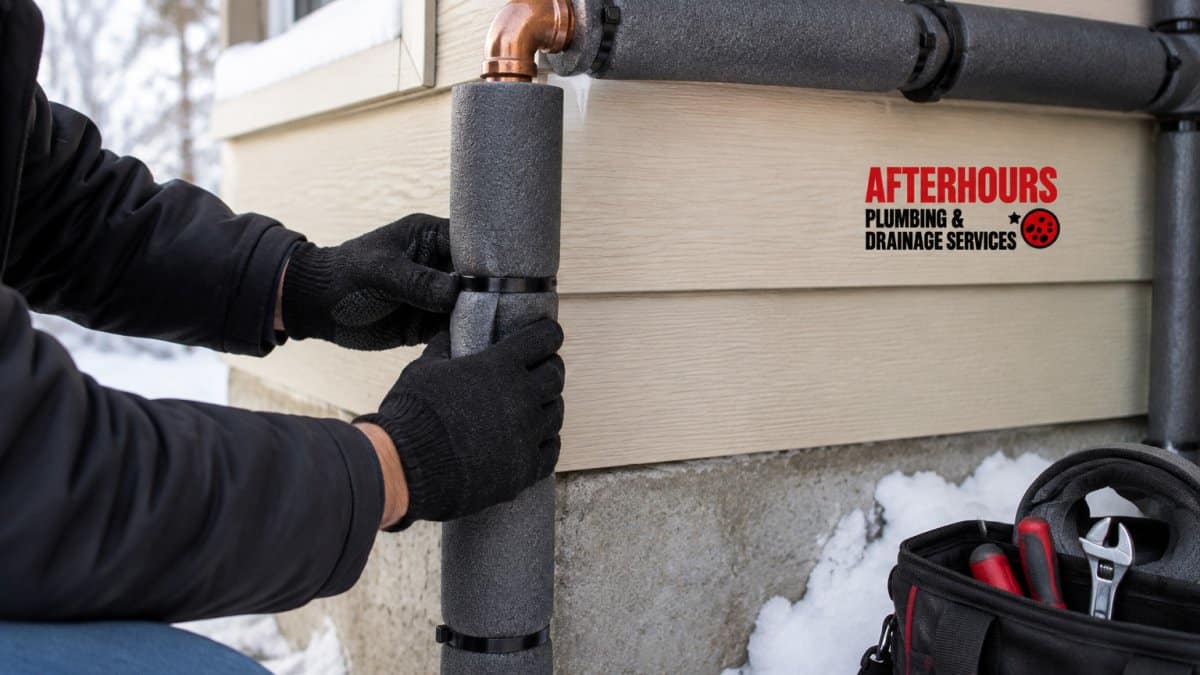
- Wrap pipes running along exterior walls, in garages, and in crawl spaces or attics with foam sleeves.
- Add heat tape to the coldest pipe runs for extra protection.
- Seal cracks and gaps in exterior walls where cold air gets in.
- Disconnect garden hoses and drain outdoor spigots before the first hard freeze.
- Locate your main shut-off valve now so you know where to go if a pipe breaks.
Table of Contents
- Protect Exposed Pipes Before the Cold Arrives
- Keep Heat Flowing and Faucets Dripping During Cold Snaps
- When to Call a Professional Plumber in Denver
- Frequently Asked Questions
Protect Exposed Pipes Before the Cold Arrives
Freezing temperatures are the main reason pipes burst in winter, so knowing how to prevent pipes from bursting in winter starts with understanding that threat. If you want a sense of what a burst could cost you, read our guide to estimating burst pipe repair costs and timelines before deciding how much prevention is worth. Water expands as it turns to ice, and that pressure can split a pipe wall, often hidden inside a wall, crawl space, or attic where you won’t see it until water is everywhere.
Start with the pipes most likely to freeze. These include lines running along exterior walls, in unheated garages, under sinks on outside walls, and in crawl spaces or attics. Wrap them with foam pipe insulation or pipe sleeves, and use heat tape on the coldest runs.
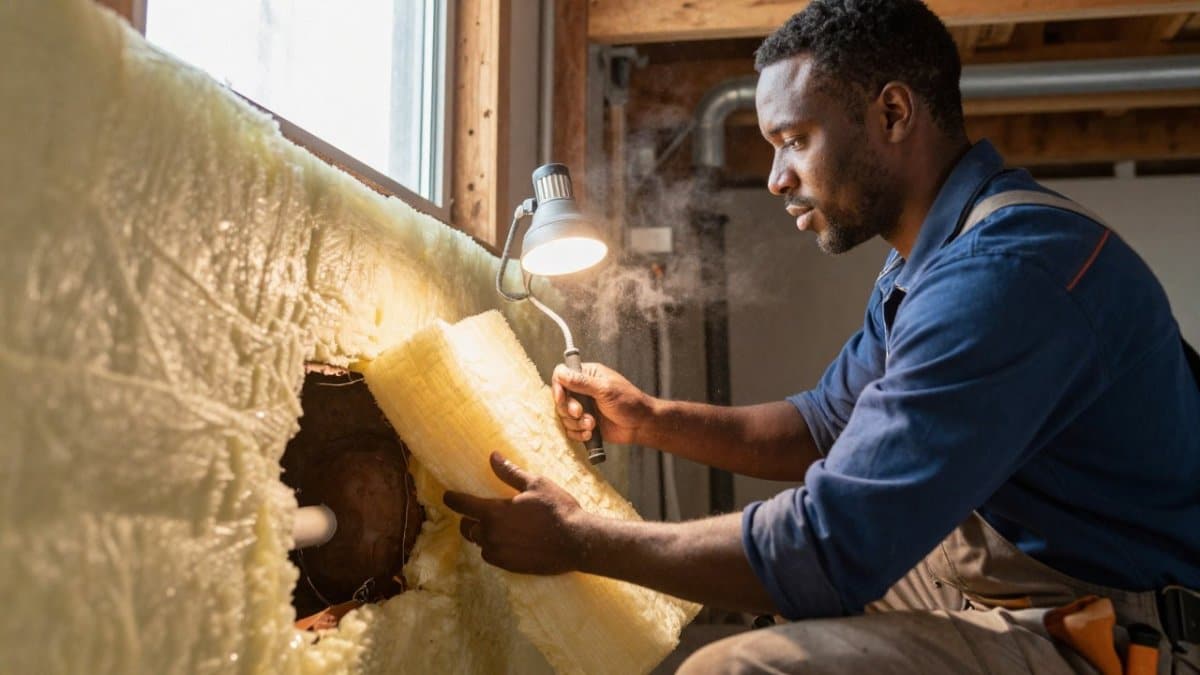
Seal cracks and gaps in exterior walls where cold air gets in, since blocking drafts is one of the simplest ways to help prevent pipes from bursting in winter. Disconnect garden hoses from outdoor spigots and drain the spigot before the first hard freeze. Locate your main shut-off valve now, so you know exactly where to go if a pipe does break.
The article points to a few specific steps and places where pipes are most at risk, which are summarised below.
| Task | What to do | When |
|---|---|---|
| Insulate exposed pipes | Wrap with foam sleeves; add heat tape on coldest runs | Before the cold arrives |
| Seal exterior wall gaps | Block cracks and gaps where cold air enters | Before the cold arrives |
| Disconnect hoses | Remove garden hoses from outdoor spigots and drain them | Before the first hard freeze |
| Locate main shut-off | Find the main shut-off valve | Now, before a break happens |
Keep Heat Flowing and Faucets Dripping During Cold Snaps
Keep your thermostat at a steady temperature day and night, even when you are away. A house that drops far below normal lets pipes cool down fast.
Open cabinet doors under kitchen and bathroom sinks on cold nights so warm air can reach the pipes. During a hard freeze, let faucets on exterior walls drip slowly. Moving water is much less likely to freeze.
If you suspect a hidden leak after a cold snap, check for damp spots, unexplained water bills, or a sudden drop in water pressure. Our leak detection and repair team can help track down where water is escaping.
When to Call a Professional Plumber in Denver
Do not try to thaw a frozen pipe with an open flame or a torch. Keep the heat low and gentle, such as a hair dryer or a space heater placed at a safe distance.
Call a professional right away if you see a burst pipe, a sudden loss of water, or water coming through the ceiling or walls. If you need help, our emergency plumber in Denver offers after-hours support. For a broken line, the steps to take when a pipe bursts can help you act quickly until the plumber arrives.
Winter pipe damage is easier to prevent than to repair. Contact After Hours Plumbing & Drainage Services at 720-687-0052 or visit https://afterhoursplumbingco.com to schedule service or request an estimate.
Frequently Asked Questions
At what temperature do pipes burst from cold?
Pipes are at real risk once outdoor temperatures drop to around 20 degrees Fahrenheit and stay there for several hours, especially when wind is strong. Pipes in unheated spaces such as crawl spaces, garages, and exterior walls freeze first. Denver’s dry, sudden cold snaps can catch homeowners off guard, so protecting vulnerable pipes before the first hard freeze is the safest approach. Keeping your thermostat set consistently and letting faucets drip during extreme cold reduces the chance of freezing.
Should I let faucets drip to keep pipes from freezing?
Yes, a slow drip during extreme cold can help keep water moving through the pipe so it is less likely to freeze. Focus on faucets served by pipes that run along exterior walls or through unheated areas. Running both hot and cold lines at a trickle is a common recommendation. Dripping alone does not replace insulation or heat, but it is a useful short-term step during a cold snap.
When should I call a plumber about frozen pipes?
Call a professional right away if a faucet produces no water, if you smell gas or notice bulging pipes, or if you find a leak after thawing. Never use an open flame or a heat gun to thaw a pipe, as this can cause damage or fire. After Hours Plumbing & Drainage Services offers emergency and after-hours plumbing support, so you can reach us by phone at 720-687-0052 when a frozen or burst pipe needs attention.
