
How to Stop a Burst Pipe from Leaking Until a Plumber Arrives
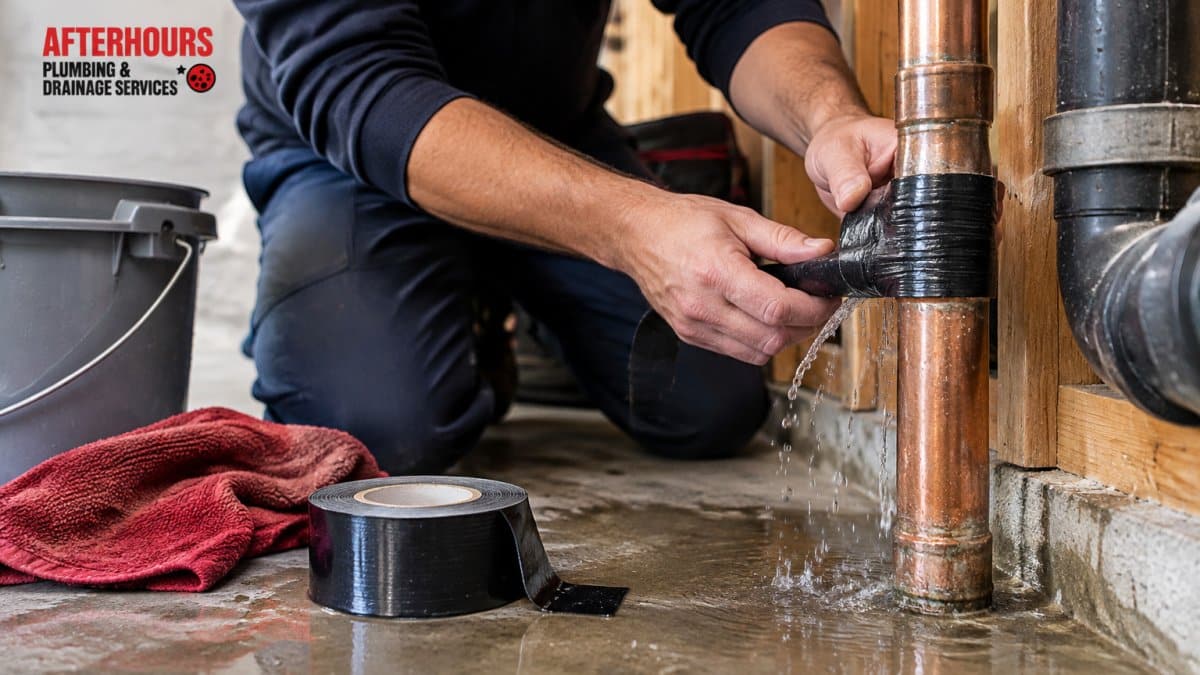
Table of Contents
- Act Fast: The First Few Minutes of a Burst Pipe Emergency
- How to Shut Off Water to a House
- Turn Off Electricity and Protect the Area Before You Touch the Pipe
- How to Temporarily Stop a Leaking Pipe
- What to Put on a Leaking Pipe: Clamps, Seals, and Repair Tape
- Draining, Drying, and Documenting the Damage
- Does Homeowners Insurance Cover Burst Pipes?
- When to Stop DIY Repairs and Call an Emergency Plumber
- Frequently Asked Questions
How to Stop a Burst Pipe from Leaking Until a Plumber Arrives
Last Updated: November 15, 2026
Act Fast: The First Few Minutes of a Burst Pipe Emergency
A burst pipe can flood a room in minutes, so speed matters more than perfection. The first step is learning how to stop a burst pipe from leaking, then dealing with the damage.
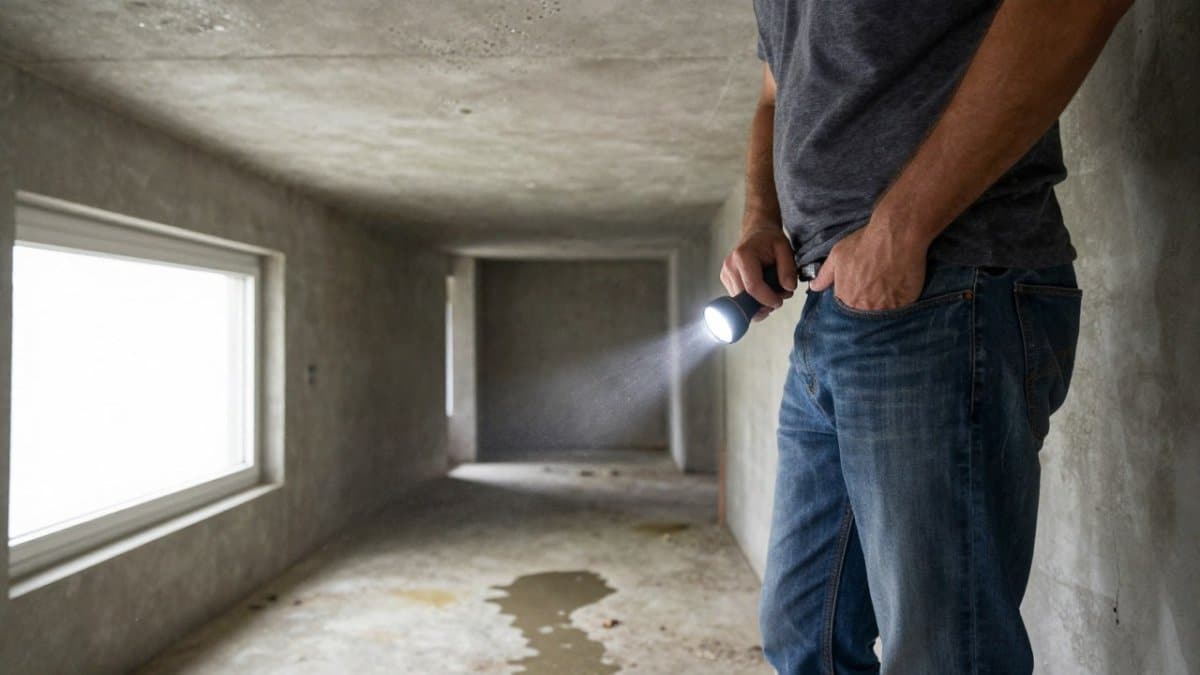
Use this quick checklist in the first few minutes:
- Shut off the water at the main valve or the nearest local shutoff
- Turn off electricity to affected areas if water is near outlets or panels
- Move valuables, rugs, and furniture out of the water’s path
- Place buckets or towels under the leak to slow the spread
- Take photos and videos before you clean anything up
- Call a licensed plumber to make the permanent repair
Most people panic and grab a towel first. That helps a little, but it does nothing to stop the water. Stop the flow, then manage the mess.

How to Shut Off Water to a House
The fastest way to stop a burst pipe is to cut the water supply. Most homes have two places to do this, and you should know both before an emergency happens.
To shut off water to a house, you will usually start at the main valve and then use a local valve if you need a more targeted shutoff.
Finding the Main Water Shutoff Valve
The main water shutoff valve controls water entering the entire home. It is usually found where the water line enters the house, often in a basement, crawl space, utility room, or garage.
Look for a valve on the pipe that feeds the home. It may have a round wheel handle or a lever handle.
- Turn a round wheel clockwise to close it
- Turn a lever a quarter turn so it sits across the pipe
- Open the nearest faucet after shutting it off to drain remaining water
If the valve will not move, do not force it. A stuck valve can break, and that creates a second leak. Call a plumber right away.
Using a Local Fixture Shutoff Valve
A local shutoff valve stops water to one fixture, such as a sink, toilet, or washing machine. It is useful when the leak is isolated and you want to keep water running elsewhere in the house.
Check under sinks and behind toilets for small valves on the supply lines. Turn them clockwise until they stop. If the leak is in the main line, a local valve will not stop it, so go straight to the main valve.
Turn Off Electricity and Protect the Area Before You Touch the Pipe
Water and electricity create a serious hazard. Before you step into standing water, make the area safer.
If water is near outlets, light switches, a breaker panel, or appliances, turn off power at the breaker panel.
Do not touch electrical devices while standing in water.
Once the water is off and power is safe, move items out of the water path. Lift rugs, electronics, and furniture onto dry surfaces.
How to Temporarily Stop a Leaking Pipe
Once the water is off, you may still need to slow or stop the leak until a plumber arrives. Temporary fixes are short-term only.
Start by drying the pipe as much as you can. Repair products stick better to a dry surface.
- For a small pinhole leak or a slow drip, a clamp or tape may hold for a short time
- For a split pipe or a fast spray, a temporary fix often will not hold
- For a leak at a fitting or joint, tightening the fitting may help, but only if it is safe to do so
Many people try to repair a pipe while water is still flowing. That usually fails.
Some problems are better left to a professional.
What to Put on a Leaking Pipe: Clamps, Seals, and Repair Tape
Once the water is off and the pipe is dry, a temporary repair can buy you hours or a day. The product matters less than the match between the product, the pipe material, and how the pipe failed. Here is how each option actually works and where it stops working.
How Each Temporary Fix Seals a Leak
- Pipe clamps: A metal clamp with a rubber pad. The clamp squeezes the rubber against the hole so water has nowhere to escape. Works best on a pinhole or a short split on copper, steel, or PVC. The rubber must sit directly over the leak, and the clamp must be snug, not crushing.
- Rubber repair seals: A pad or sleeve that wraps the pipe and is held by clamps or bands. Good for a slightly larger split or a weep at a joint. The seal only holds if the surface under it is clean and dry.
- Compression repair tape: Tape that tightens as you wrap it. It works on small drips and pinholes on smooth pipe, but it does not bridge a wide crack or a fitting that is actively spraying.
- Self-fusing repair tape: Silicone tape that bonds to itself when stretched and wrapped. It conforms to irregular shapes and is handy on copper and PVC pinholes, but it is not a pressure repair for a split pipe.
- Epoxy putty: Two-part putty you knead and press over a pinhole or small crack. It hardens in place and can hold on copper, steel, and PVC, but it needs a dry, clean surface and will not seal a fast leak or a joint that is moving.
Matching the Fix to the Pipe and the Leak
| Leak Type | Pipe Material | Reasonable Temporary Fix |
|---|---|---|
| Pinhole | Copper or PVC | Self-fusing tape, epoxy putty, or small clamp |
| Short split | Copper or steel | Pipe clamp with rubber seal |
| Weep at a threaded fitting | Any | Tighten fitting if safe, then wrap tape |
| Crack along the pipe length | Any | Shut off water and call a plumber |
| Fast spray or joint failure | Any | Shut off water and call a plumber |
A common pattern is that homeowners reach for tape on a split pipe and it blows off within minutes. Tape and putty are for small, low-flow leaks. A clamp with a rubber pad is the better choice when the pipe has a short split and you can get the clamp centered on it.
Steps That Make a Temporary Fix Hold
- Shut off the water and open a nearby faucet to relieve pressure.
- Dry the pipe with a rag. Most products will not bond to a wet surface.
- Clean off any grit or old tape so the patch sits flat.
- Center the clamp or pad directly over the leak, not beside it.
- Wrap tape tightly and evenly, overlapping each pass.
- Open the shutoff slowly and watch the patch for the first few minutes.
Watch out: Do not overtighten a clamp or a fitting on copper or PVC. You can crush the pipe or crack a fitting, which turns a small leak into a full break.
When a Temporary Fix Is the Wrong Move
Skip the patch and call a plumber if the pipe is cracked along its length, if the leak is at a joint you cannot reach, if water is spraying under strong pressure, or if the pipe is inside a wall, ceiling, or floor.
These products are temporary. They can fail under water pressure or heat, so replace them with a permanent repair as soon as possible.
Draining, Drying, and Documenting the Damage
Stopping the leak is only half the job. Water left in the lines, under flooring, or inside a wall cavity keeps causing damage long after the pipe is patched. Work through this in order.
1. Relieve Pressure and Drain the Lines
With the main valve closed, open the lowest faucet in the house and a faucet on an upper floor. That lets air in and lets water drain out, which reduces pressure on your temporary patch and limits how much water escapes if it fails.
Watch out: Do not drain lines by opening a valve you cannot close again, and do not touch a water heater’s drain valve if the tank is hot or the area is wet.
2. Remove Standing Water
Use a wet vac, mop, or towels to pull up as much water as you can, starting away from outlets and appliances. Pull up rugs and move furniture off wet flooring so air can reach the surface. If the water smells like sewage or came from a drain line, treat it as contaminated, wear gloves and boots, keep pets and kids out, and let a professional handle the cleanup.
3. Dry the Space, Not Just the Floor
Open windows if the weather allows and run fans and a dehumidifier. Water wicks into drywall, baseboards, and subfloor, so aim air at the edges of the room, not just the puddle.
Watch out: If a ceiling is bulging or sagging, do not stand under it or poke it. The drywall can let go and dump trapped water. Shut off the water, keep people out of the room, and call a plumber.
4. Document Everything Before You Clean Up
Take photos and videos of the leak, the pipe, the patch, and every damaged area before you move or toss anything. Save damaged items until your insurer or plumber has seen them. Write down when you found the leak and when you shut the water off, and keep receipts for cleanup supplies and any emergency repairs.
Good records make an insurance claim and a permanent repair estimate easier. Do not throw away damaged materials until you have clear photos and notes.
Does Homeowners Insurance Cover Burst Pipes?
Many homeowners insurance policies cover sudden burst pipe damage, but coverage depends on your policy and the cause of the leak.
Read your policy or call your agent to confirm what is included. Ask about water damage coverage, repair costs, and deductibles.
Keep records of the leak, the repair, and every expense. Your insurer may ask for photos, receipts, and a plumber’s report.
When to Stop DIY Repairs and Call an Emergency Plumber
Some tasks are safe for homeowners. Others are not.
Call a licensed plumber right away if: (to compare options first, see how to find a trustworthy Denver plumber)
- The main water line or main valve is leaking
- The pipe is cracked along its length or has a large split
- Water is spraying with strong pressure
- You cannot shut off the water
- The leak is inside a wall, ceiling, or floor
- Gas lines, water heaters, or sewer lines are involved
- Electrical hazards are present near the water
After Hours Plumbing & Drainage Services offers emergency plumbing support for burst pipes and major leaks. If you need help after hours, you can get emergency plumbing help in Denver or reach us directly.
Temporary fixes can stop the damage for a while, but a permanent repair should always come from a professional. Call 720-687-0052 or visit our website to request service.
BUTTON: Call Our Emergency Team
CARD_TITLE: Burst Pipe Right Now?
CARD_TEXT: After Hours Plumbing & Drainage Services helps Denver homeowners stop leaks fast.
Frequently Asked Questions
Can you use pipe repair tape on a burst pipe?
Compression or self-fusing repair tape can slow a small leak on a pipe, and it is one of the temporary options homeowners reach for first. It works best on small pinhole or hairline leaks on accessible pipe. It is not a permanent fix, and it is unlikely to hold on a split pipe under full pressure. Shut off the water before applying any tape, and always have a plumber replace the damaged section. If the leak is large or keeps getting worse, stop and call for emergency service.
Should you shut off the water if a pipe bursts?
Yes. Shutting off the water is the single most important step. Start with the local fixture shutoff valve if you can reach it, then close the main water shutoff valve to stop the flow into the house. Once the supply is off, the leak slows dramatically and water damage stops spreading. Open a faucet at a low point to drain remaining pressure. Turn off electricity to affected areas first if water is near outlets or the panel.
What can you put on a pipe to stop it from leaking?
Any temporary repair is a stopgap until a licensed plumber replaces the damaged section.
When should you call an emergency plumber for a burst pipe?
Call right away if you cannot shut off the water, if water is near electrical outlets or the panel, if the leak is in a wall or ceiling and water is still coming through, or if the pipe is gas-related or the damage is spreading. A licensed plumber can locate the break, make a proper repair, and tell you what the damage means for the rest of the system. After-hours emergency plumbing support is available.
