
What Should You Do When a Sewer Line Backs Up?
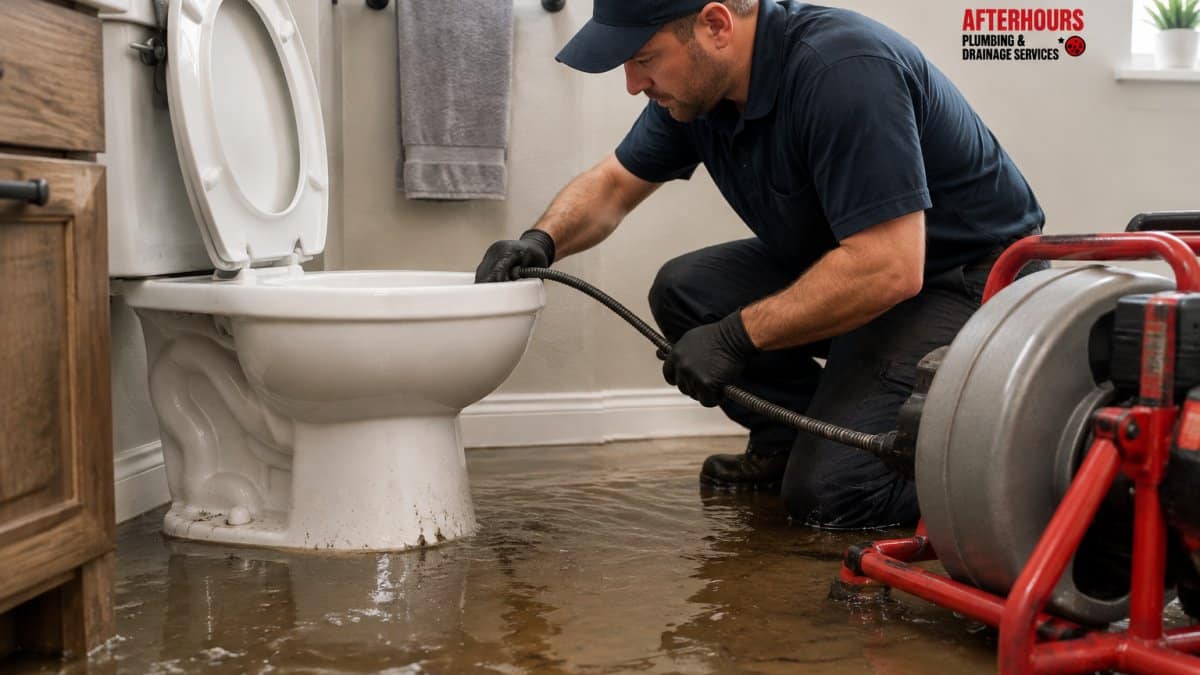
Last Updated: November 12, 2026
Quick Summary
If a sewer line backs up, stop running water, close the main water supply if water is still rising, and keep people away from the affected area. Do not open the cleanout, since it can release a surge of raw sewage. A sewer backup that reaches several fixtures or keeps rising needs a plumber right away.
- Stop showers, laundry, the dishwasher and flushing so you add no pressure to the line.
- Turn the main water shutoff valve clockwise until it stops if water is actively rising.
- Leave the capped cleanout alone; opening it can release a pressurized surge of waste.
- Photograph and video all damage before cleanup to support your insurance claim.
- Check your homeowners policy now, since many standard policies exclude sewer and drain backup.
Table of Contents
- Immediate Steps to Take During a Sewer Backup
- Sewer Backup Warning Signs You Should Not Ignore
- Common Sewer Backup Causes in Denver Homes
- Health and Safety Hazards to Keep in Mind
- Documenting the Damage for Your Insurance Claim
- Sewer Line Repair: What a Professional Diagnosis Involves
- When to Call an Emergency Plumber for a Sewer Backup
- Frequently Asked Questions
Immediate Steps to Take During a Sewer Backup
When a sewer line backs up, the first few minutes matter, and the right sequence of steps limits both the mess and the damage. Here is the order we recommend.
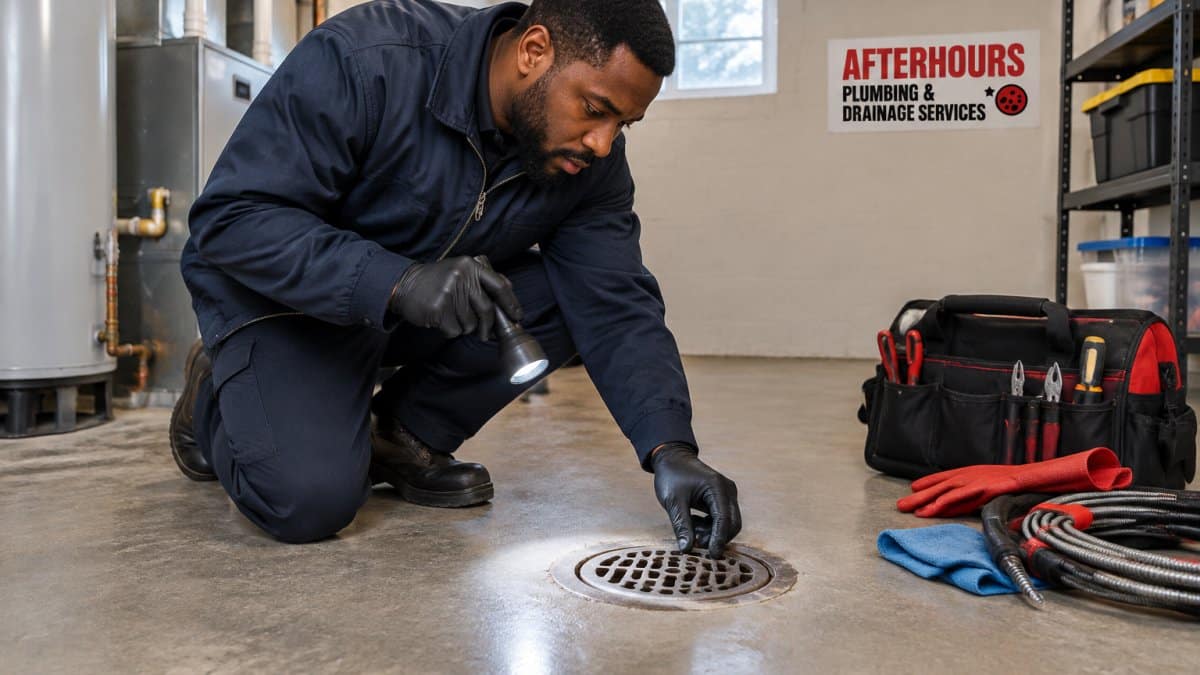
1. Stop sending water down the drains. No showers, no laundry, no dishwasher, no flushing unless it is absolutely necessary.
**2.
3. Isolate the affected area. Close the door to any room with standing sewage and keep children and pets out. Sewage carries bacteria, viruses, and parasites, so treat the area as a biohazard, not a spill.
4. Do not open the cleanout. A cleanout is a capped pipe, typically found outside near the foundation or in a basement.
5. Protect what you can without touching the waste. Move boxes, rugs, and electronics off the floor only if you can do so without wading through contaminated water.
6. Document before you clean. Take photos and video of everything, standing water, damaged walls, ruined belongings, and the fixtures the backup came through, before any cleanup begins.
**7. Our Emergency Plumbing Services Denver page describes the after-hours support we provide for these situations.
Watch out: avoid using a wet/dry vacuum, a shop vac, or any corded electrical appliance in standing sewage. Water and electricity together create a serious shock risk.
For safe drain-clearing steps you can try before a plumber arrives, see our guide on 5 Drain Cleaning Steps Before You Call a Plumber.
The right sequence matters, so here is a quick reference for what to do and in what order.
| Step | What to do | Timing |
|---|---|---|
| Stop water use | No showers, laundry, dishwasher or flushing | Immediately |
| Shut off main supply | Turn main valve clockwise until it stops | As soon as water is rising |
| Isolate the area | Close the door and keep children and pets out | Right away |
| Leave the cleanout | Do not open the capped cleanout | Do not open |
| Protect belongings | Move items only without wading through waste | Before cleanup |
| Document damage | Photograph and video everything before cleanup | Before any cleanup |
| Call for help | Call a plumber for multi-fixture or rising backups | Promptly |
Sewer Backup Warning Signs You Should Not Ignore
Sewer backups rarely happen without warning. Gurgling sounds from toilets or drains, especially when you run water somewhere else in the house, often mean air is being pushed through a partially blocked line. Multiple slow drains at the same time are another common signal that the blockage sits in the main line rather than in one fixture.
Pay attention to unusual smells, such as sewage odor in the basement or near floor drains, and to wet spots or soggy ground in the yard above the sewer path. Recurring clogs that clear for a few days and then return usually indicate a root intrusion or a structural problem that a quick plunge will not solve.
Do not wait for these signs to become a full backup. Early diagnosis gives you more options and usually lower repair costs than an emergency response.
Common Sewer Backup Causes in Denver Homes
Most residential sewer backups in Denver come from a handful of causes. Tree roots are one of the most common: they seek out moisture and grow into small cracks or loose joints in clay and older cast-iron pipes. Grease, wipes, and paper products build up on the pipe walls over time and trap debris until flow stops.
Older homes face additional risks. Pipes installed decades ago may be corroded, collapsed, or misaligned, and freeze-thaw cycles during Colorado winters can stress already weakened sections. Heavy rain or a blocked municipal main can also push water back into a home’s lowest drains, which is why basement fixtures are often the first to show a problem.
Knowing the likely cause helps a plumber decide whether the fix is a local clearing, a spot repair, or a longer-term sewer line project.
Health and Safety Hazards to Keep in Mind
Sewage contains bacteria, viruses, and parasites that can cause serious illness. Avoid direct contact with backed-up water, and wear waterproof gloves and boots if you must enter the affected area. Wash your hands thoroughly with soap and clean water after any contact, and do not let children play in contaminated rooms.
Ventilation matters too. Keep windows open if possible and run a fan to move air out of the space. Do not use electrical appliances, such as a wet vacuum, in standing water unless you know the circuit is safe. Water and electricity together create a shock risk.
Remove and discard porous materials that have soaked up sewage, such as carpet padding, drywall, and insulation. Clean hard surfaces with an appropriate disinfectant. If the damage is extensive, a restoration professional can handle cleanup safely.
Documenting the Damage for Your Insurance Claim
Insurance coverage for sewer backups varies a lot, and the documentation you gather in the first hours can make the difference between a smooth claim and a denied one. Here is how we recommend homeowners and property managers handle it.
Check your coverage before you need it. Many standard homeowners policies exclude sewer and drain backup unless you have added a specific endorsement.
Photograph and video before cleanup. Walk through the affected area and capture:
- Wide shots of each room showing the extent of standing water and the water line on walls
- Close-ups of the fixtures the backup came through, floor drains, tubs, toilets, laundry sinks
- Damaged walls, baseboards, flooring, and carpet
- Every damaged belonging, with a photo of the item and, where possible, a photo of the brand or model label
- The cleanout and any visible sewage in the yard
Video is especially useful because it captures scale and context that still photos miss. Narrate what you are filming as you go.
Keep a written inventory. List each damaged item, its approximate age, and its replacement value.
Save every receipt. Keep receipts for cleanup supplies, any temporary lodging, meals if you are displaced, and the plumber’s invoice. The plumber’s invoice should describe the cause of the backup and the work performed, which helps the adjuster connect the damage to a covered event.
Contact your insurer promptly. Report the loss as soon as it is safe to do so. Delays can complicate a claim, and most policies expect prompt notice. Keep copies of all correspondence, claim numbers, and adjuster names.
Separate the plumbing repair from the restoration. The sewer line repair is typically handled by a licensed plumber, while water and sewage cleanup is often handled by a restoration company.
Watch out: do not sign a restoration contract or authorize extensive demolition before your adjuster has seen the damage, unless the work is needed to prevent further harm. Once materials are removed, it becomes much harder to prove what was damaged and how.
If you are unsure whether your policy covers the loss, ask your agent in writing. A short email exchange creates a record and clarifies the scope before you commit to repairs.
Sewer Line Repair: What a Professional Diagnosis Involves
A reliable repair starts with diagnosis, not guesswork. A professional will typically run a video camera through the sewer line to see the inside of the pipe, locate roots, cracks, offsets, bellies, or collapses, and identify exactly where the problem sits. Camera footage should be shown to you, not just described.
Once the cause is clear, the plumber can recommend the right approach. Clearing with a cable or hydro jetting may restore flow for a temporary problem. Spot repair fixes a localized break or offset. For widespread damage, a full line replacement may be needed, which can be done with traditional excavation or trenchless methods that pull new pipe through the old one. Where the damage runs from the house to the street, our Water Line Repair Denver service covers the supply side of the system, and for more detail on the signs, methods, and process, read our guide to sewer line repair in Denver.
Ask for a written estimate that separates the diagnosis from the proposed repair so you can compare options.
When to Call an Emergency Plumber for a Sewer Backup
Call an emergency plumber right away if sewage is backing up into your home, if multiple fixtures overflow at once, or if you smell sewage inside the house. These situations can cause health hazards and water damage that grow by the hour.
You should also call promptly if a clog does not clear after basic steps, if you see signs of a main line problem, or if the backup has happened more than once. Reaching out early can limit damage and give you more repair options.
At After Hours Plumbing & Drainage Services, we handle urgent plumbing problems outside regular business hours, including after-hours calls. We serve residential homes and commercial properties across Denver, Aurora, and surrounding communities. You can reach us at 720-687-0052 or visit afterhoursplumbingco.com to request service or an estimate.
Frequently Asked Questions
How much does it cost to fix a sewer back up?
The cost depends on how far the blockage is, whether it is a simple clog or a damaged line, and how the line must be accessed. We cannot give a standard price without seeing the problem. A camera inspection is usually the first step, because it shows whether the issue is a clog that can be cleared or a damaged section that needs spot repair or replacement. Ask for a written estimate that separates the diagnosis from the proposed repair so you can compare options clearly.
Can you stay in a house with a sewer backup?
Sewage can carry bacteria and viruses, so we recommend keeping children and pets away from affected floors and avoiding direct contact with contaminated water. Stop using every drain and toilet in the house until a plumber clears the line. If the backup has reached living areas, or you smell strong sewage odors indoors, it is safer to stay elsewhere until the area is cleaned and dried. Call an emergency plumber as soon as possible so the cause can be found and the line restored.
What causes a sewer line to back up?
The most common causes we see are tree roots growing into cracks or loose joints, grease and wipes building up inside the line, collapsed or offset pipe sections, and blockages in the main line caused by flushed items. Heavy rain can also push water into the system through a damaged line or a blocked cleanout. A camera inspection helps identify which of these is causing the problem, so the repair targets the real cause rather than just clearing the blockage temporarily.
When should you call an emergency plumber for a sewer backup?
Call an emergency plumber right away if sewage is coming up through floor drains, toilets, or tubs, if several fixtures back up at the same time, or if you notice wet spots or foul odors in the yard. Do not wait to see if the problem clears on its own, because a backup often gets worse and can cause property damage. Our after-hours team is available outside regular business hours, though we cannot promise a specific arrival time.
