
How Long Does Burst Pipe Repair Take?
Last Updated: November 22, 2026
Quick Summary
Burst pipe repair time depends on the pipe’s location, the extent of the damage, and whether it is exposed or buried. Some repairs finish in a few hours, while buried breaks or water damage cleanup can take a day or longer. The plumbing fix is often quicker than the drying and rebuilding that follows.
- Exposed pipe in a basement or crawlspace is typically repaired in a few hours.
- A buried or under-slab break often takes a day or more to repair.
- Water damage drying and restoration can run several days to a few weeks.
- Shut off the main water valve first to stop the flow before any repair work.
Table of Contents
- How Long a Burst Pipe Repair Usually Takes
- What Affects Burst Pipe Repair Time
- Why Underground Breaks and Water Damage Cleanup Take Longer
- Frequently Asked Questions
A burst pipe can flood a home in minutes, so act fast: shut off the water first, then protect floors and belongings while you wait for help. Learn the full step-by-step actions to take now. Burst pipes are most often a problem during cold snaps, when freezing temperatures can split lines without warning.
How long a burst pipe repair takes depends on where the break is, how much damage it caused, and whether the pipe is exposed or buried. Timelines vary: some repairs can be finished in a few hours, while buried breaks or water damage cleanup can take longer. Read our guide to what drives burst pipe repair cost and timeline.
- Shut off the main water valve as soon as you find the break. See how to stop the leak and drain the line.
- Open the lowest faucet in the house to drain remaining water.
- Turn off electricity to any wet area if water is near outlets.
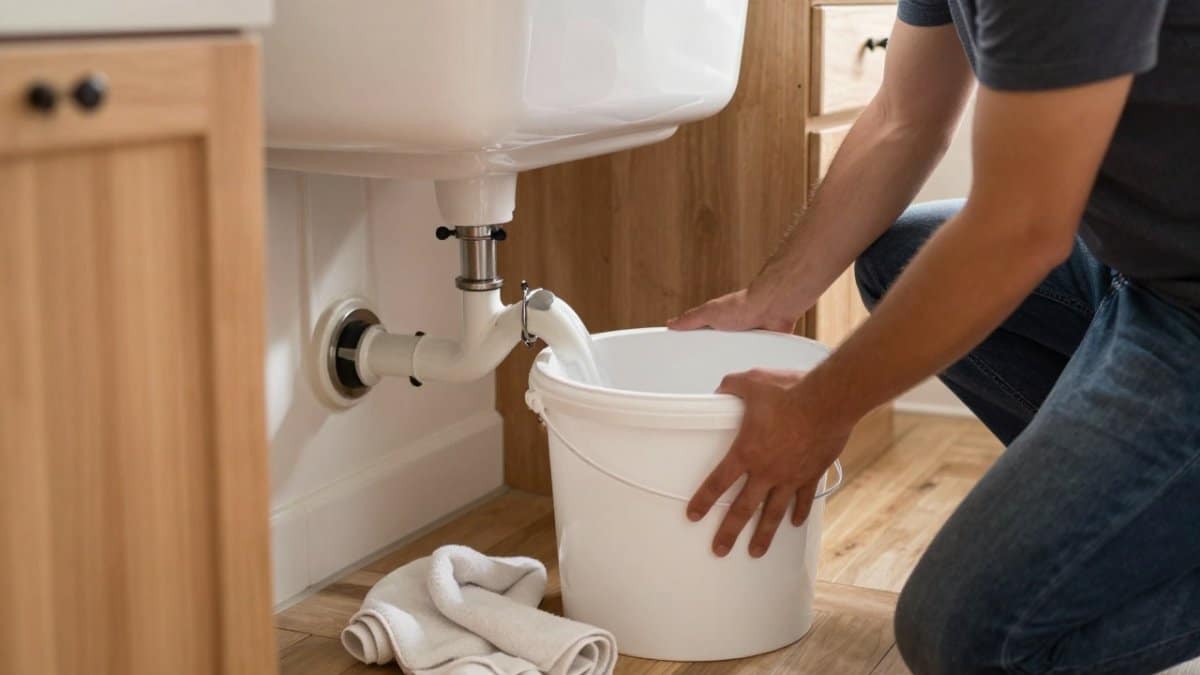
- Move valuables and place towels or buckets under the leak.
How Long a Burst Pipe Repair Usually Takes
Most homeowners want one number, but a burst pipe repair is a sequence of phases, each with its own clock. The pipe is often fixed long before the property is back to normal.
- Emergency response and water shutoff (minutes): Turning off the main valve and stopping the flow comes before any repair work.
- Diagnosis and leak location (roughly 30 minutes to a few hours): The plumber confirms where the break is and whether it’s a simple section swap or something larger. Breaks behind finished walls or under a slab take longer to pinpoint.
- The pipe repair itself (a few hours for exposed pipe; a day or more for concealed or buried pipe): Cutting out the damaged section, fitting new pipe, and pressure-testing the joint.
- Water damage drying and restoration (several days to a few weeks): Drying framing, flooring, and drywall, then rebuilding what was opened, usually the longest part of the disruption.
Best-case and worst-case scenarios. A simple break in an exposed line that is easy to reach, with the right parts on hand, is typically the quickest kind of repair. A corroded run, multiple breaks, excavation, or a utility-side water-main break takes considerably longer, and restoration can extend the overall disruption.
Customers remember the burst and the repair, but drying and rebuilding determine when life returns to normal. The fastest path to a realistic schedule is a professional assessment that locates the break and scopes both the repair and any restoration. Our Emergency Plumbing Services Denver team can be reached after hours when a burst is actively flooding a home.
What Affects Burst Pipe Repair Time
Pipe location and accessibility. This is the single biggest driver. An exposed line in a basement or crawlspace is fast to reach. A line inside a finished wall means opening drywall, and a line under a slab or in the yard means excavation. The table below shows how location typically changes the repair window:
| Pipe location | Typical access work | Repair window (plumbing only) |
|---|---|---|
| Exposed pipe (basement, crawlspace, utility room) | Minimal, cut and fit in place | A few hours |
| Pipe behind drywall | Open wall, then patch later | Several hours to a day |
| Pipe under a slab | Concrete cutting and removal | A day or more |
| Underground service line or water main | Excavation, possible utility coordination | A day or more, sometimes several |
Severity and extent of damage. A single split is quicker than multiple breaks or a corroded run that needs a longer section replaced.
Pipe material. Copper, PEX, and galvanized lines each need different tools and fittings, and older galvanized pipe can be brittle enough that the repair area has to be extended.
Parts availability. A specialty fitting or uncommon size can pause the job until the part arrives.
Permits, utility coordination, and insurance. Work on a public water line or service line may require coordination with the local utility, and some repairs need a permit and inspection. If an insurance claim is involved, documentation and adjuster scheduling can add days.
How to tell the repair is complete and safe. A proper post-repair check should confirm the joint holds under pressure, no new leaks appear, and water runs clear at the taps. Ask your plumber to walk you through the pressure test and leak check.
What can extend the timeline after the pipe is fixed. Drying, mold prevention, and rebuilding walls or flooring run on their own schedule, which is why the overall disruption often lasts much longer than the plumbing work.
If a burst is hidden inside a wall or a line is losing water without an obvious break, our Leak Detection & Repair Denver service can help pinpoint the source before any opening begins. If you are dealing with a burst pipe in Denver, Aurora, or a surrounding community, our team can locate the break, explain which factors apply to your home, and give you a realistic schedule for the repair and any restoration that follows.
Why Underground Breaks and Water Damage Cleanup Take Longer
Underground water line breaks often need excavation, which adds time to the repair. Water damage restoration, including drying and repairs to floors and drywall, can run well past the plumbing fix itself. Learn how to prevent pipes from bursting in winter.
Call After Hours Plumbing & Drainage Services at 720-687-0052 or visit https://afterhoursplumbingco.com to schedule a professional assessment and request an estimate for your repair.
Frequently Asked Questions
How long does it take a plumber to fix a burst pipe?
For a straightforward burst in an accessible location, repairs are often quicker once the plumber arrives and the water is shut off. Exposed pipes in a basement or crawl space are often the quickest. Repairs that require opening walls, floors, or ground take longer. Parts availability and how extensive the damage is also affect the timeline. A plumber can give a more accurate estimate after inspecting the break.
How long does water damage cleanup take after a pipe bursts?
Water damage cleanup and drying often take several days, and the restoration process can run longer than the pipe repair itself. Drying time depends on how much water soaked into flooring, drywall, and insulation, and whether fans and dehumidifiers are used. We recommend starting the drying process as soon as the leak is stopped to limit mold growth. Mold and structural concerns are best assessed by a qualified restoration professional once the area is dry.
Can I use my water while a burst pipe is being repaired?
Usually not. A plumber needs the water shut off to the affected section to make the repair safely. Many homes can still use some fixtures on other lines, but expect interruptions while the work is underway. Ask your plumber how long the water will be off so you can plan for drinking water, cooking, and bathroom use during the repair.
