
Burst Pipe Repair Covered by Homeowners Insurance?
Last Updated: November 26, 2026
Quick Summary
Burst pipe repair is often not covered by homeowners insurance when the pipe failed from wear, corrosion, or age, but the water damage it causes is frequently covered if the failure was sudden and accidental. Coverage depends on the cause, so ask your adjuster to confirm both points in writing and keep plumber documentation.
- The damaged pipe is frequently excluded when failure traces to wear, corrosion, age, or poor maintenance.
- Water damage is more likely covered when the pipe failure is sudden and accidental.
- Slow leaks that stain ceilings over months are commonly excluded as gradual damage.
- Many policies cover freezing damage only if the home was heated and reasonable steps were taken.
- Shut off the main water valve first, then photograph all damage before cleaning anything.
Table of Contents
- Is Burst Pipe Repair Covered by Homeowners Insurance?
- The pipe versus the damage it causes
- Sudden and accidental versus gradual damage
- Frozen pipes and Colorado winters
- What is commonly covered and commonly excluded
- Wear, corrosion, and maintenance exclusions
- Negligence and failure to take reasonable precautions
- How deductibles and limits change the math
- What to Do After a Pipe Bursts
- Burst Pipe Insurance Claim Tips and Checklist
- Frequently Asked Questions
Is Burst Pipe Repair Covered by Homeowners Insurance?
The short answer: the water damage a burst pipe repair job leaves behind is often covered, but the pipe itself frequently is not. Most policies protect the home and contents from sudden, accidental events, not the worn-out part that failed.
The pipe versus the damage it causes
Insurers often treat these as two separate questions. The damaged pipe is frequently excluded when failure traces to wear, corrosion, age, or poor maintenance, while the resulting water damage is more likely covered when sudden and accidental. Ask your adjuster to confirm both in writing.
Sudden and accidental versus gradual damage
A pipe that let go overnight and flooded a basement reads as sudden and accidental; a slow leak that stained a ceiling for months reads as gradual and is commonly excluded. A plumber’s report describing a clean split or failed joint supports the sudden-failure story. Our guide on what drives burst pipe repair costs and timelines can help you set expectations before you file.
Frozen pipes and Colorado winters
Freezing is a common cause of burst pipes in cold climates, and coverage has conditions. Many policies cover freezing-related water damage only if the home was heated and reasonable steps were taken, keeping heat on, insulating exposed lines, and shutting off and draining outdoor spigots before the first hard freeze. A vacant, unheated home may trigger a denial or vacancy exclusion.
What is commonly covered and commonly excluded
| Cost | Commonly covered? | Notes |
|---|---|---|
| Water damage to walls, ceilings, floors | Often, if sudden and accidental | Depends on cause and policy terms |
| Replacing the failed pipe itself | Commonly excluded | Wear, corrosion, and age exclusions |
| Repairing a slow leak and its damage | Commonly excluded | Gradual damage exclusion |
Wear, corrosion, and maintenance exclusions
Older galvanized and polybutylene lines, corroded copper, and poorly supported pipe runs fail for reasons insurers classify as maintenance. The resulting water damage is not automatically denied, but the pipe replacement usually is. If your home has aging plumbing, a professional inspection can flag weak points before they become a claim. Learn how to stop a burst pipe from leaking fast until help arrives.
Negligence and failure to take reasonable precautions
Policies typically require reasonable steps to prevent loss. Leaving a home unheated through a cold snap, ignoring a known drip, or failing to shut off water before a long trip can weaken or sink a claim. Document your precautions, thermostat settings, winterization receipts, and maintenance records all help.
How deductibles and limits change the math
Your deductible comes off the top of any covered claim, and contents coverage has its own limits. Run those numbers before you file, because a small claim can affect your premium without paying out much.
If you are unsure whether your failure looks sudden or gradual, have a licensed plumber document the cause. After Hours Plumbing & Drainage Services offers emergency plumbing repairs.
What to Do After a Pipe Bursts
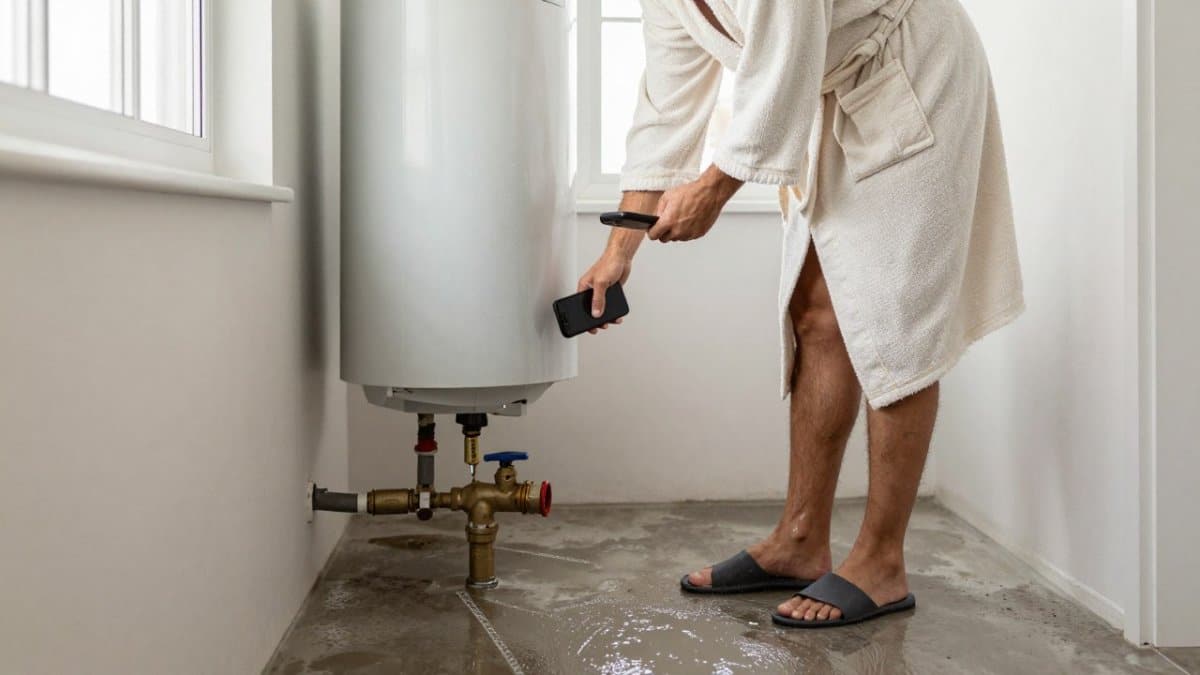
Shut off the main water valve first to stop the flow, then open faucets to drain remaining water from the lines. For a full step-by-step checklist for a burst pipe, see what to do right now to protect your home. Take photos and video of the damage before you clean anything, and keep receipts for emergency repairs and cleanup.
Call a licensed plumber right away. After Hours Plumbing & Drainage Services provides 24/7 emergency plumbing services for burst pipes.
Burst Pipe Insurance Claim Tips and Checklist
Filing a burst-pipe claim is mostly about timing and evidence. Stopping the water, documenting everything before cleanup, and notifying the insurer early all help.
A claim timeline that works
- Stop the water and make the area safe. Shut off the main valve, cut power to wet electrical areas if safe, and move valuables out of the water.
- Photograph and video before you clean. Capture the failed pipe, water lines, soaked materials, and damaged belongings, wide shots first, then close-ups.
- Call your insurer to open the claim. Describe how the pipe failed and ask what they want documented.
- Arrange emergency mitigation. Water extraction and drying can limit secondary damage. Keep every receipt.
- Get a plumber’s written report confirming the cause and location of the failure.
- Keep a running inventory of damaged items with photos and receipts.
- Review the adjuster’s estimate against your own documentation before you accept.
What to document before cleanup
- The failed pipe or joint, in place, before removal
- Water lines on drywall, trim, and flooring
- Standing water and affected rooms
- Damaged furniture, electronics, and clothing
- The date and time you discovered the leak
- Thermostat settings and any winterization steps you took
Watch out: if you haul wet drywall and carpet to the curb before the adjuster sees it, you can lose the ability to prove the extent of the damage.
What to keep and what to ask
Keep plumber invoices, mitigation receipts, equipment rental records, and any hotel or temporary housing costs if the home was uninhabitable. To document the timeline accurately, review how long burst pipe repair usually takes. Ask your insurer three questions up front: what is my deductible, does my policy cover the pipe itself or only the resulting damage, and is there a separate limit for mold or water damage.
If your claim is denied or disputed
Denials happen, and they are not always final. Review the denial letter and the specific policy language cited, and request the basis for the decision in writing. Preserve your photos, receipts, and plumber’s report. You can ask for reconsideration, request an independent review, or escalate through your state’s insurance regulator. A public adjuster or attorney may make sense for large losses.
Mold and hidden damage
Mold and concealed water damage often surface days or weeks later. Coverage can depend on the cause, how quickly you mitigated, and your policy’s mold sub-limit. Prompt drying is the best defense, and a moisture check behind walls after a major leak is worth the effort.
If you need a plumber to stop a leak, call After Hours Plumbing & Drainage Services at 720-687-0052 or visit https://afterhoursplumbingco.com to schedule service.
Frequently Asked Questions
Does homeowners insurance cover a burst pipe under a slab?
Coverage for a pipe under a concrete slab depends on the policy terms and the cause of the break. Many policies cover sudden, accidental water damage to the home, but they often treat the pipe itself differently from the resulting water damage. Under-slab repairs can also involve excavation and concrete work, which may affect the claim. Review your policy’s coverage for the dwelling and any exclusions, and ask your insurer or agent to explain how the repair is classified before work starts.
What should I document for a burst pipe insurance claim?
Take photos and video of the damaged pipe, the water-soaked areas, damaged belongings, and the water shutoff point before cleanup begins. Keep receipts for emergency repairs, drying equipment, and temporary lodging. Save any plumber’s report that identifies the cause of the break. Make a written list of damaged items with estimated values, and send your claim to the insurer promptly so the proof of loss can be completed on time.
Are frozen pipes covered by homeowners insurance?
Frozen pipes are often covered when the freeze was sudden and the home was properly heated and maintained, but coverage can be denied if the home was vacant or the heat was shut off without precautions. Gradual damage from slow leaks or neglect is commonly excluded. Insulating exposed pipes and keeping heat on during cold snaps helps protect the home, and your insurer can explain how your specific policy treats freeze damage.
